
In a scene that blended governance with grassroots symbolism, Ondo State Governor, Lucky Aiyedatiwa, momentarily stepped away from the dust and machinery of the ongoing Ijoka Road construction to share a heartfelt moment with an elderly roasted-plantain (booli) seller.
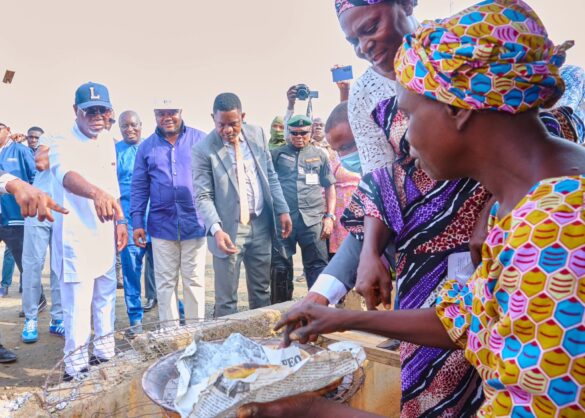
The Governor, spotting the woman by the roadside, slowed his convoy, walked up to her stall and bought roasted plantain, an action that instantly drew smiles from onlookers.
But it didn’t end there. In an emotional gesture, Aiyedatiwa also offered her financial support, brightening her day and underscoring his self professed commitment to the everyday people who form the backbone of the state.
With that single act, Aiyedatiwa joined a growing line of Nigerian politicians known for connecting with citizens through the symbolism of street snacks, a political tradition that has played out across states and election seasons.
Adams Oshiomhole popularised the visual strategy in Edo State, munching roasted corn during campaign rounds in 2016.
Rochas Okorocha took it to Imo’s streets during his governorship.
Godwin Obaseki and even Osun politician Iyoola Omisore also embraced similar public stunts involving roasted corn, using the humble snack to signal relatability and grassroots presence.
Former Ekiti state governor, Ayo Fayose also displayed such act when he was in the saddle in Ekiti State.
Though roasted corn (agbado) has been the usual political prop, Aiyedatiwa’s roasted plantain moment adds a fresh twist to the theatre of Nigerian political gestures—drama, empathy and optics all rolled into one.
For many witnesses, what stood out was not just the booli, it was the bond, the pause, the humanity.
Source: Roving Reporters
