
Across Nigeria, frustration is growing among millions of mobile and internet users who say they are paying increasingly high prices for data services that fail to deliver speed and reliability. For many, tasks that should take just a few minutes online now stretch into 20 to 30 minutes or more, disrupting daily activities and raising concerns about the state of telecommunications services in the country.
Over the past two years, the cost of mobile data has risen sharply, with the average price of 1GB more than doubling following tariff adjustments approved in 2025. Telecom operators justified the increase by citing inflation, foreign exchange challenges, and the high cost of maintaining infrastructure. However, subscribers argue that the higher prices have not translated into improved service delivery, intensifying public dissatisfaction.
Users across both urban and rural areas report persistent issues including slow internet speeds, unstable connections, and frequent network disruptions. These challenges have significantly affected small businesses, students, and remote workers who depend on reliable internet for their livelihoods. Delayed financial transactions, interrupted virtual meetings, and failed online services have become increasingly common.
Experts attribute part of the problem to the rapid growth in data consumption, which has surged dramatically in recent years. The sharp increase in demand has placed enormous pressure on existing network infrastructure, leading to congestion and reduced performance, particularly during peak usage periods. While there have been marginal improvements in network speed, they remain inconsistent and insufficient for a growing digital population.
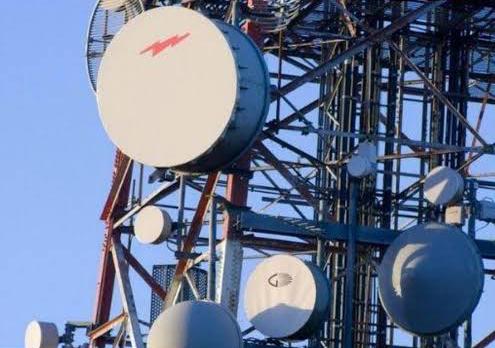
Infrastructure deficits continue to play a major role in the sector’s struggles. Frequent fibre optic cable cuts, vandalism of telecom equipment, and Nigeria’s unreliable power supply have forced operators to rely heavily on diesel generators, driving up operational costs. These challenges not only affect service quality but also contribute to the rising cost of data for consumers.
Despite widespread complaints, Nigerians continue to spend heavily on internet services, with billions of naira going into data subscriptions annually.
Meanwhile, telecom companies have recorded increased revenues, creating a perception among consumers that they are paying more for less value. This imbalance has further fueled public anger and calls for accountability.
The situation is also widening Nigeria’s digital divide.
While internet access continues to expand, affordability and poor service quality limit meaningful usage, particularly among low income earners. For many Nigerians, access to fast and reliable internet remains a luxury rather than a basic necessity, restricting opportunities in education, business, and communication.
Regulatory authorities have acknowledged the ongoing service gaps and pledged to strengthen consumer protection and enforce quality standards. However, stakeholders insist that more decisive action is needed to ensure that telecom operators invest adequately in infrastructure and deliver services that match the rising costs.
As Nigeria’s digital economy continues to grow, the disconnect between high data prices and poor service quality remains a pressing concern. Without urgent reforms and sustained investment in infrastructure, millions of Nigerians may continue to face the burden of expensive yet inefficient connectivity, undermining the country’s broader development goals.
Starnews
