
The sharp and persistent rise in petrol prices across the country has plunged millions of Nigerians into economic hardship, with citizens and small business owners lamenting what they describe as a lack of urgent response from the federal government.
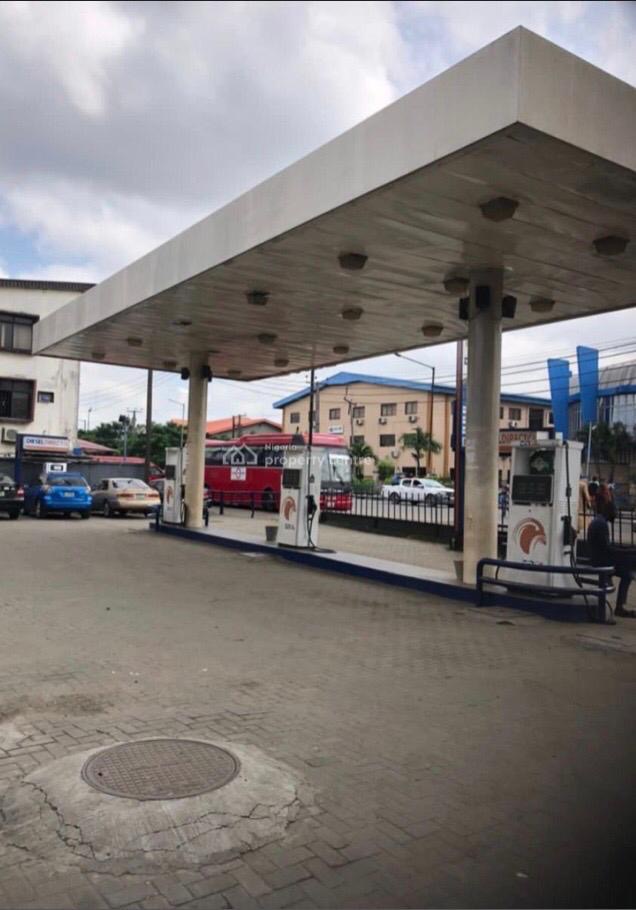
In major cities and rural communities alike, transport fares have doubled, food prices have skyrocketed, and daily survival has become increasingly difficult. For many, the ripple effects of the fuel crisis are devastating.
“I can barely keep my shop open anymore,” said Musa Abdullahi, a small-scale trader in Kano. “The cost of transporting goods has tripled. Customers are no longer buying like before. My business is collapsing right before my eyes.”
Similar frustrations were echoed by Chinedu Okafor, who runs a logistics business in Lagos.
According to him, the increase in petrol prices has forced him to cut down operations drastically. “I’ve had to park half of my delivery vans. Fuel costs are eating up all our profits. If this continues, I may have to shut down completely,” he said.
In Abuja, Aisha Bello, a food vendor, described how her daily expenses have surged beyond control. “Everything depends on fuel, from transportation to cooking. I spend more, but I earn less. It’s unbearable,” she lamented.
Despite widespread complaints and growing public concern, many citizens say they have yet to see concrete measures from the federal government to cushion the impact.
While officials have acknowledged the challenges tied to global oil markets and subsidy removal policies, critics argue that little has been done to provide immediate relief.
Economic analysts warn that without swift intervention, more small businesses could shut down, leading to higher unemployment and deeper poverty levels.
For ordinary Nigerians, the situation is becoming increasingly dire. As the cost of petrol continues to climb, so too does the frustration of a population that feels unheard and unsupported in the face of mounting economic pressure.
Palace Pulse Desk.
