
Nigeria today marks 50 years since the assassination of former Head of State, Murtala Mohammed, a leader whose brief, but consequential time in office continues to shape public conversations about courage, reform, and national direction.
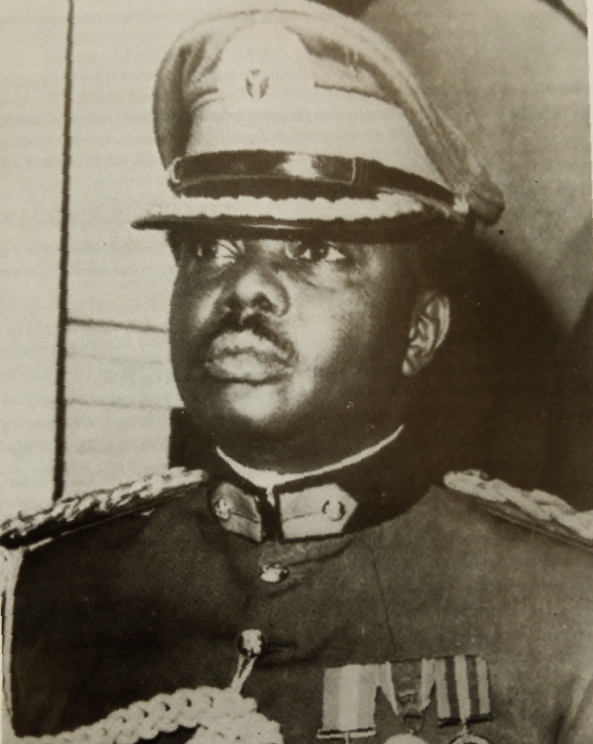
General Mohammed governed for just 216 days, yet his tenure remains one of the most discussed transitional moments in Nigeria’s political history.
Murtala Ramat Muhammed GCFR, was a Nigerian military officer and the fourth head of state of Nigeria. He led the 1966 Nigerian counter-coup in overthrowing the military regime of Johnson Aguiyi-Ironsi and featured prominently during the Nigerian Civil War and thereafter ruled Nigeria from 29 July 1975 until his assassination on 13 February 1976.
This period in Nigerian history, from the Northern counter-coup victory to Murtala’s death, is commonly associated with the institutionalization of the military in Nigerian politics.
Taking office in 1975, he quickly introduced sweeping administrative changes, anti-corruption measures, and civil service reforms that signaled a decisive break from the past. His leadership style of boldness, direct, and reform driven, earned both admiration and resistance in equal measure.
On February 13, 1976, his administration was cut short when he was assassinated during an attempted coup in Lagos.
The event shocked the nation and marked a turning point in Nigeria’s political evolution, reinforcing the fragility of governance during a turbulent era.
Half a century later, tributes across civic, military, and historical circles reflect on the enduring symbolism of his leadership. Analysts say Mohammed’s legacy lies not only in policy actions, but also in the tone, he once set, a tone that emphasized on discipline in public service and urgency in national development.
Public remembrance activities today should highlight the continuing relevance of leadership accountability, institutional reform, and national unity, which themes closely, should align and be associated with his time in power.
For many Nigerians, especially younger generations learning about the country’s history, the anniversary should serves as a moment to reflect on how brief leadership periods can leave lasting institutional footprints.
As Nigeria commemorates this milestone, observers should please note that the memory of Murtala Ramat Muhammed GCFR continues to occupy a unique place in the nation’s narrative and a reminder of how decisive leadership, even within a short window, can influence the trajectory of governance and public expectations for decades.
Photo Credit: Wikipedia
